Nepal Tours
Pisang Peak
Highlights
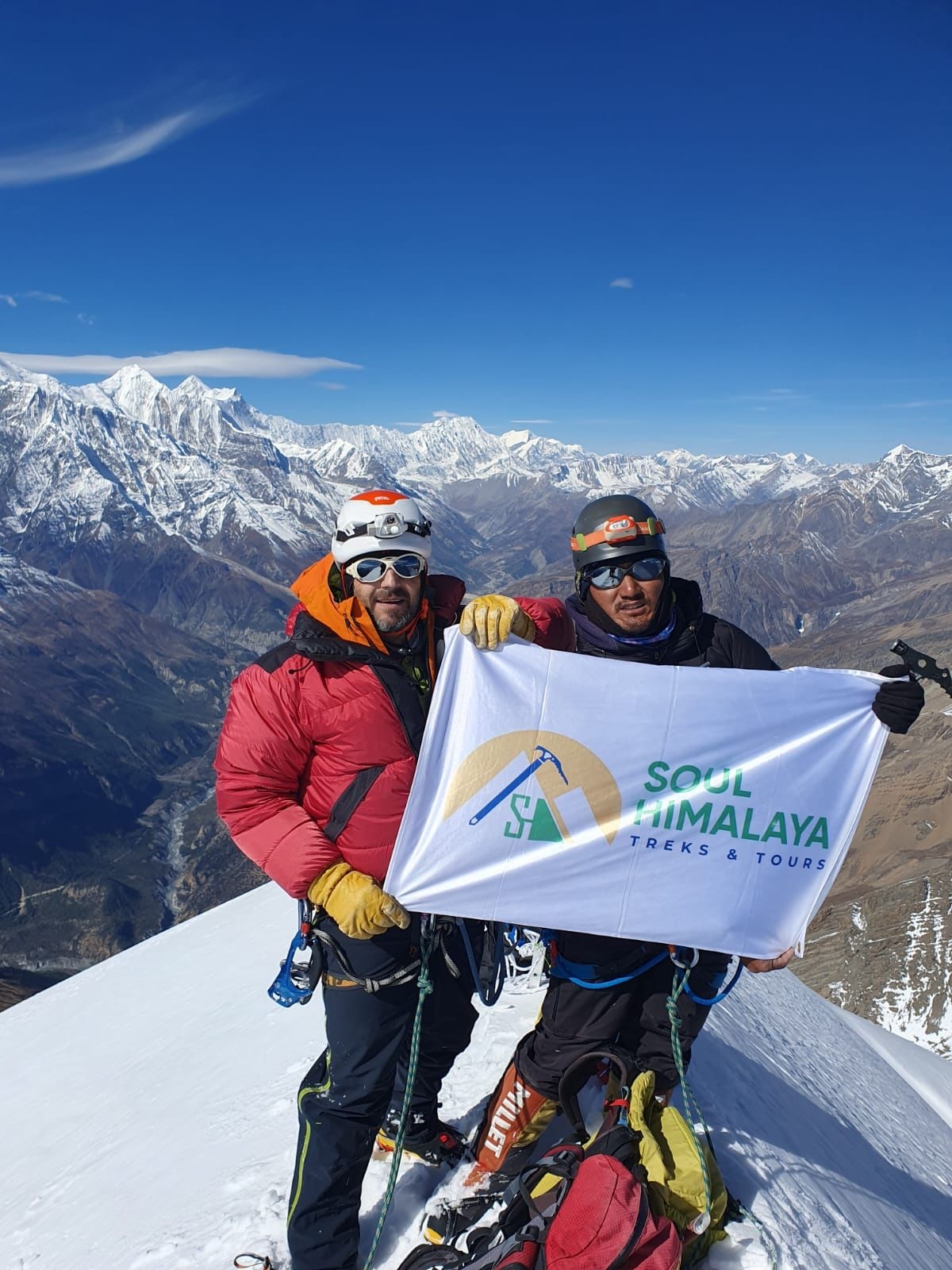
Climbing Pisang Peak is a popular 6,000-meter trip that climbers of all levels can do. This is a hiking peak for people who are just starting out. So, the Pisang peak is perfect if this is your first time climbing.You will be walking through beautiful forest paths while looking at different mountain peaks. The routes for this trip are connected to the routes for the Annapurna Circuit. So, you'll probably meet a lot of other hikers along the way.
In addition to reaching the top, you will cross the Thorong La pass, which is a high point—and visit popular towns like Jomsom and Muktinath.Our schedule for climbing Pisang Peak takes about 16 days. It takes you on an exciting journey through the Himalayas. You just need to be ready to have fun on this trip and let us take care of everything else.
Pisang Peak's highlights Climbing
- Climbing the 6000-meter expedition
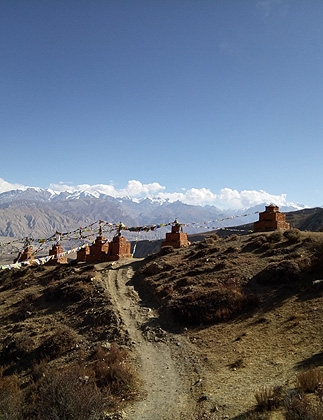
- Explore two beautiful, untouched valleys: Manang and Mustang were
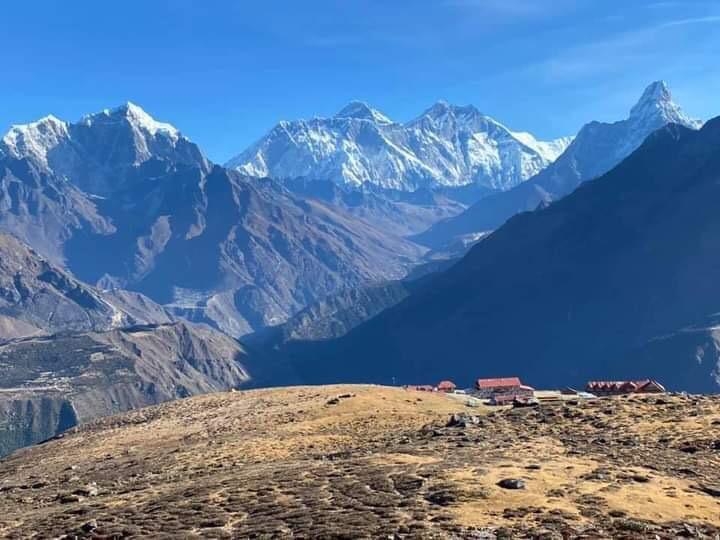
- Amazing views of mountains like Mt. Annapurna, Mt. Manaslu, and others.
- Annapurna Circuit routes to walk
- Thorong La is one of the world's highest passes.
- Visit the sacred temple of Muktinath.
- Explore the incredible Annapurna region.
When is the best time to go to Pisang Peak?
Any time of the year is an excellent time to go to Pisang Peak. There are four seasons: spring, fall, monsoon, and winter. Trekkers prefer spring and fall as the best times to visit Pisang Peak.
Spring and fall are the best times to travel. During these times, nature's beauty blooms all over the valley. There is no chance of rain or snow, so walking is comfortable. Also, the sky is clear, so peaks and landscapes look their best.During these times of the year, the days are sunny and hot, but the nights are not too cold. The weather and temperature are perfect for hiking in the mountains.
Winter and monsoon seasons are also doable, but there may be a few problems. During these seasons, it snows and rains. So, the cold weather and slippery paths can make the trek exciting and difficult. But these are the times when there are fewer people on the roads, so it's great for people who like to be alone.
Problems Climbing Pisang Peak
A 6000-meter expedition is not an easy thing to do, and you will face many problems. Depending on the person, the problems can be hard or easy.
Altitude sickness, the difficulty of the route, the weather and temperature, finding a place to sleep, and many other problems are common when climbing Pisang Peak. But you don't need to be worried about these problems as you can get past them with good planning and preparation. For this climb, you need a strong will and a lot of stamina.
Itinerary
- Arrive at Tribhuvan International Airport in Kathmandu looking forward to a long and exciting journey.
- Prior to your arrival our respective representative will be waiting for you at the terminal.
- Then pick you up from there and drop you off at the hotel. Before helping you check into your room there will be a brief introduction.
Inclusions
What's included
- Pickup and drop, Airport.
- Hotel accommodation in Kathmandu in a 3-star hotel, including breakfast too.
- Guesthouse or teahouse during the trek.
- All ground transportation per your programs like Kathmandu to Darapani by Jeep or Bus
- Domestic flight from Jomsom to Pokhara.
- Tourist Bus or flight from Pokhara to Kathmandu.
- Welcome and farewell dinner
- English-speaking trekking guide & porter service staff costs include their salary, insurance, equipment,domestic airfare, food, and accommodation.
- Soul Himalaya Treks duffel bag,& trekking map necessary paperwork like ACAP entry permit and peak permit, TIMS card
- Good quality tents and kitchen utensils for capping
- medical kit
What's excluded
- Airfare to and from Kathmandu to your country
- Excess baggage charges (if you have more than 15 kg of luggage, the cargo charge is around $1.5 per kg)
- Extra night accommodation in Kathmandu because of early arrival, late departure, early return from mountain (due to any reason) than the scheduled itinerary
- Altitude chamber (PAC) or oxygen launch and evening meals in Kathmandu (and also in the case of early return from mountain than the scheduled itinerary)
- Travel and rescue insurance
- Personal expenses (phone calls, internet, laundry, bar bills, battery recharge, extra porters, bottle or boiled water, shower, etc.)
- Personal climbing equipment
- Personal climbing guide if requested
- Optional trips and sightseeing if extended
Essential Information
Before You Pack for Nepal<\/strong><\/p> When you first get to Nepal, you should definitely sign up at your country's embassy or honorary consulate. This can be helpful if you get sick or if something else goes wrong. Nepal's currency is called Nepalese Rupees (NRs.). Check the most recent exchange rate to get an idea of how much your money is worth in Nepal. Make sure you always have some cash on you and don't rely too much on credit cards. Outside of the main tourist areas and on trekking routes, credit cards aren't used as much as they are in the main tourist areas. Mineral water is also good to use when you brush your teeth or wash your face. In Nepal, you can't always count on the tap water in some hotels and guest houses. If you have a food allergy or need special food for health reasons, please let us know ahead of time. We also suggest that you bring your own medicines with you since some may not be available or may be hard to get.<\/p> Information on Passports and Visas<\/strong><\/p> Visas are available at the international airport in Kathmandu and at all land border crossings open to foreigners. You need to bring photos from your passport, and you can pay the visa fee in foreign currency (some crossings insist on payment in US dollars). Your passport must be valid for at least six months, and you'll need a whole page for your visa. You can also get your visa from a consulate in the country you live in. A tourist visa can be given for no more than 150 days in a single calendar year. On Arrival Visa Fee are 25 USD for 15 days, 40 USD for 30 days, and 100 USD for 90 days. You can also fill out the online visa on Nepal's immigration website. https:\/\/nepaliport.immigration.gov.np\/entry-visa-processing https:\/\/nepaliport.immigration.gov.np\/online<\/p> Your Insurance for Travel<\/strong><\/p> For a trip to Nepal, it's best to get travel insurance that covers theft, loss, and medical problems. There are many different kinds of policies, so read the fine print carefully. Make sure you have insurance for high altitude and adventure activities. Since many treks in Nepal go above 4000 meters, it is best to choose a policy that covers medical and emergency repatriation, including helicopter evacuation for trekkers and a general medical evacuation. Also, keep in mind that most medical care, facilities, and hospitals must be paid for when the patient is brought in. So it's a good idea to choose a policy that pays doctors and hospitals directly instead of making you pay upfront and then getting reimbursed.<\/p> Accommodations<\/strong><\/p> In Kathmandu, we'll stay in a 3-star hotel room that will be shared by two people. We'll also get breakfast as an extra. The rooms will have private bathrooms and all the amenities you need to feel at least semi-urban, depending on where you're from. But during the trek, we will have to give up the luxury of a 3-star hotel to see what nature has in store for us. Instead, we will stay in local teahouses in the wildlands, which will be very comfortable but not quite as luxurious as a 3-star hotel.<\/p> Foods Or Meals<\/strong><\/p> During the trek, we can choose from a wide range of local and international dishes. The list of meals won't be as long as you might think, but we still have choices, and they all taste great. We take great care to give you food that is both healthy and filling so that you can keep going on the trek. During the trek, all meals are included in the package price, except for when you stay in Kathmandu, where we can only offer breakfast. And when we get back to Kathmandu at the end of our trek, we'll have a lovely farewell dinner to say goodbye.<\/p> Physical Fitness and Experience Needed<\/strong><\/p> Even though it might look scary at first, we're pretty sure that an average person with average walking skills will be able to finish the trek without any trouble. During the trek, our guides are very helpful in terms of how well you can walk, and if you need it, they will also change the whole trek structure for you. (But that will have its own effects, like making the trekking days longer.) Walking at a higher altitude will be more tiring than walking at a lower altitude, but the change will be as smooth as possible. We do suggest, though, that you talk to your own doctor before making the trip, just to be sure. Before you go, talk to your doctor(s).<\/p> When going on a trip around Nepal<\/strong><\/p> For getting around the country, there is an excellent domestic air network, a helicopter charter service, deluxe tourist coaches, and a private car hire. There are also a lot of local buses to choose from. Our team will help you make the travel plans you want within Nepal based on how your trip is planned.<\/p> Things You Need to Travel<\/strong><\/p> When you go trekking in the Himalayas, you need to have the right clothes and gear. There are many adventure shops in Kathmandu where you can buy your own gear or rent some of what you need. You can easily rent a sleeping bag and down jacket for about $1 USD per day. Other things can be bought in the area. Most of the gear is made in the country and is much cheaper because of this. Some branded items are likely to cost more but are of higher quality. Don't forget that having too much luggage can be hard on you and the people helping you. Our motto is, \"Pack light, but pack right.\" On the second day after you arrive, we'll help you set up all the gear you'll need for your comfort and safety on the trek.<\/p> When flights are late and bad weather comes out of nowhere<\/strong><\/p> Flights by plane and helicopter in remote areas are often delayed or canceled because of bad weather. There may also be problems with operations, which are more likely to happen in the Everest region (Flight from Lukla), the Annapurna region (Flight from Jomsom), the Dolpa, Simikot, and Jumla regions, among other places. Most of the time, people don't know why mountain flights are late. The flight is at 6:30 in the morning, so you need to be at the airport by 6:00. Most flights, though, are late for more than an hour, so please be ready for that. We recommend that you always carry extra money with you in case you need it for food or a place to stay. Above Himalaya Trekking will not pay for extra costs that come up for reasons that were not planned. We recommend that you make the right plans. When hiking in remote areas, especially out of season, it's a good idea to plan for extra days in case there are any delays. If your flight is late before the trek starts or at the end of the trek, you will have to pay for your own food and lodging.<\/p> How Much Money Nepal Has<\/strong><\/p> Nepalese Rupees, or NRS for short, is the name of the currency. One Rs. is equal to 100 Paisa, which is one cent. Nepalese bills come in denominations of 1000, 500, 100, 50, 25, 10, and 5. Coins of 2 and 1 rupees are rarely used. Nepalese banks and the foreign exchange market. Hotels, travel agencies, and airlines all take foreign currency for payments. However, major credit cards like Visa, MasterCard, JCB, and AmericanExpress are accepted in most tourist-class hotels, restaurants, airlines, and major tourist shops. In cities, there are many cash machines or ATMs, and most of them will take cards from any of the major international banking networks (Plus, Cirrus, etc.). The most you can take out of most ATMs at the moment is 10,000Rs (although you can make repeated withdrawals). Most credit cards are blocked by your bank after the first time you use them. It is done for security, but it could make it hard for you to get cash from ATMs. Tell your bank that you're going to Nepal and get permission to use your card there. We also say that you should always have enough cash on you in case any of the above things happen.<\/p> Nepal's electricity<\/strong><\/p> Nepal uses 220-240 volts at 50 hertz. Most plugs have three round pins and fit into sockets. The plugs can be either big or small. Some sockets also work with plugs that have two round pins. You should bring the universal electric adapter with you, but you can also buy them in Kathmandu and other cities, but not in remote places. Voltage changes often in Nepal, so it's best to protect your electronics with a good adapter that can handle power surges. Also, during dry seasons, power outages are common and can last for a few hours, so we recommend carrying a power bank with you. Most hotels and businesses have fuel cells and generators that can be used in case of an emergency.<\/p> How the weather is in Nepal<\/strong><\/p> In the mountains, it is notoriously hard to tell what the weather will be like. Most of the time, it is cold at night and warm during the day. Between December and February, there will be snow. You should make sure that you can stay warm and dry in almost any weather. Temperature changes are an unavoidable part of the Himalayas. Nepal's seasons are pretty much the same as those in Europe, which is the opposite of what happens in Australia. Nepal has a moderate climate, which means that the winters are cold and dry and the summers are hot and muggy. Nepal's climate, on the other hand, is very different all over the country because the altitude and terrain vary so much. The monsoon season usually lasts from the end of June to the end of August. About 80% of the country's rain falls during this time, but it doesn't rain at all the rest of the year. Until the monsoon rains, May and June can be very hot and sticky. Spring (March to April) and fall (October to November) have pleasant temperatures and short bursts of rain. November to February is dry but can get very cold at night.<\/p> The Best Time to Visit Nepal<\/strong><\/p> Nepal is best to visit in the spring (March, April, and May) and fall (September, October, and November). At this time of year, the weather is nice and there is a lot of warm sunlight. The sky is clear, so you can really take in the beautiful views of Nepal and the Himalayas. During the monsoon (June, July, and August), trekking won't be hard, but rain and low visibility could be a problem. But the monsoon is a blessing for people who love nature because it makes the higher valleys, mountains, and meadows bloom with flowers and lots of plants. You can trek in the winter (Dec., Jan., and Feb.), especially in hilly areas. However, as you climb higher, you can expect it to be cold and snowy. If you don't like being around a lot of people, you could go trekking during the monsoon or winter, or you could choose more remote places to go trekking. Note that because of global warming, the weather has changed everywhere, and Nepal is no different. Please be ready for the weather to change at any time.<\/p> Guidelines for health:<\/strong><\/p> Trekking in Nepal is a great adventure that doesn't come with many risks. But before you go to Nepal, we recommend that you get a standard health check and talk to your doctor about your plans. If you need to get immunizations or vaccinations, you should do so at least 6 weeks before you arrive. Make sure you have health insurance that is good for the whole time of your trip. You can only enjoy your time off if you are healthy and full of life. And if your health doesn't let you, these fun vacations to great places become nothing but a burden. So, here are some tips for staying healthy before you travel and while you're away.<\/p> Nepal's time zone is GMT +5:45.<\/strong><\/p> A) If you need immunizations or shots, you should get them at least 6 weeks before you leave. Some vaccines give you the most protection about 6 weeks after you get the shots. B)It's important to get a medical and dental checkup before your trip in case there are any problems. Then you can find out what medicines you may need to bring with you. C) Find out everything you can about your health insurance in case you need to see a doctor while you're abroad. Bring enough of your regular medicines in their original containers, along with extra prescriptions for them. Bring your eyeglass prescriptions with you as well. Bring along a first-aid kit.<\/p>"},{"essentialtitle":"About altitude sickness","essentialcontent":" Trekking is just a word for a walk, usually in the mountains. It is a type of vacation that involves walking and being brave to explore nature and culture. Most of the time, trekking is done at high altitudes and in natural places. Trekking sounds like a lot of fun. It's an exciting thing to do. But some trekking routes can be hard and require a certain level of skill and the right amount of experience.<\/p> Some expeditions are very hard and technical, like the Everest Expedition, the Manaslu Expedition, and the Amdablam Expedition<\/strong>. So, before you go trekking, you must learn about health and safety rules. As much as possible, you should try to be ready. This article may help you learn more about your health, safety, and altitude sickness while trekking.<\/p> A walk in the woods is good for the soul. Only if you spend well on your trek will you get the most out of the fun things you see and do. Preparation is therefore the most important part of trekking if you want it to go well.<\/p> Before you start your peak climbing trip, you should think about the following:<\/strong><\/p> Make sure you have clothes for all kinds of weather.<\/p> Some places may not have clean water. So, put some water-cleaning tablets or carbon filters in the water.<\/p> You must take care of your health very carefully. Put some gel that cleans and disinfects your hands.<\/p> Don't forget to bring a first-aid kit if you're traveling alone.<\/p> Go with a group or a tour guide.<\/p> Bring a cell phone, extra recharge cards, a charger, a flashlight, and a power bank. Not everywhere has shops or electricity.<\/p> It's a good idea to bring information booklets, maps, a GPS, a compass, and information about how to get there.<\/p> It's not certain that it will only be cold. During the long hours of travel, you might be out in the sun. So, put on some sun hats, sunglasses, and sunscreen.<\/p> Set up all kinds of gear for hiking.<\/p> A well-thought-out plan is half of the work done on an activity. Aside from what was written above, there are also some rules you should follow while trekking.<\/p> Here are some important things to think about when traveling for your health and safety:<\/p> Don't smoke and drink. If you drink alcohol and smoke, you lose water and may get sick from being at a high altitude.<\/p> Get plenty of water. The rules say that you should drink 1 liter of water after climbing 1000 meters.<\/p> Eat lots of calories.<\/p> Get enough sleep.<\/p> Hike with friends or with a guide.<\/p> Don't go up quickly. Above 3000 m, you only need to climb 300 to 500 m per day.<\/p> Don't forget to bring warm clothes and rain gear, because the weather can change at any time. If you can, put information about the weather and en-root.<\/p> Make sure you have enough water and snacks for your climbing and trekking.<\/p> Listen to what your guide tells you, and make sure you always have good food.<\/p> Be careful when walking on narrow paths, near cliffs, or along rivers.<\/p> Getting Sick at High Altitude<\/p> Altitude sickness happens when the blood and tissues don't get enough oxygen at a high altitude. It happens when you move too quickly at a high altitude. It happens when there isn't enough oxygen in the air or in your blood. Altitude sickness causes people to have nosebleeds and feel sick. It can also cause headaches, nausea, fatigue, trouble sleeping, and feeling dizzy.<\/p> People should always take altitude sickness seriously because it can kill the person who has it. Altitude sickness above 8000 ft shows up as Acute Mountain Sickness (AMS) or the more serious High Altitude Cerebral Edema (HACE). These conditions are caused by fluids moving into the brain's tissues, which causes swelling inside the skull and can lead to coma.<\/p> Some of the signs and symptoms are:<\/strong><\/p> Stopping Altitude Sickness Due to Shortness of Breath<\/p> The best way to avoid getting sick from being at a high altitude is to acclimate your body slowly to the changes in climate and air pressure as you move to higher altitudes. If you slowly go up, your lungs will be able to take deeper breaths, which will help your red blood cells carry more oxygen to your body parts.<\/p> One way to avoid altitude sickness is to take Diamox (Acetazolamide) pills, which help your body get used to the higher altitude faster. You can take one pill every day as you climb higher, or you can use it only when you feel some of the signs of altitude sickness.<\/p> Here are some ways to avoid getting altitude sickness:<\/strong><\/p> Medication<\/strong><\/p> There are risks when you go to a high altitude. The success of your whole trek depends on how well you plan, and you should always plan your high-altitude trekking, tours, and climbing with a company that has a lot of experience. If we pay attention to health and safety, our whole trip will be fun. Always remember that it's better to be safe than sorry, and take care.<\/p> Note:<\/strong> Our plan is well thought out with Acute Mountain Sickness in mind. No need for our travelers to worry about it. We'll get enough rest to be able to go up or down when we trek, climb, or go on an expedition.<\/p>"}]
Fixed Departures
| Start | End | Price | Seats left |
|---|---|---|---|
| 2023-10-24 | 2023-11-12 | - | 0 |
FAQs
From
$3500.00